















Where Prime Resins fits into your seawall or bluff repair solution?
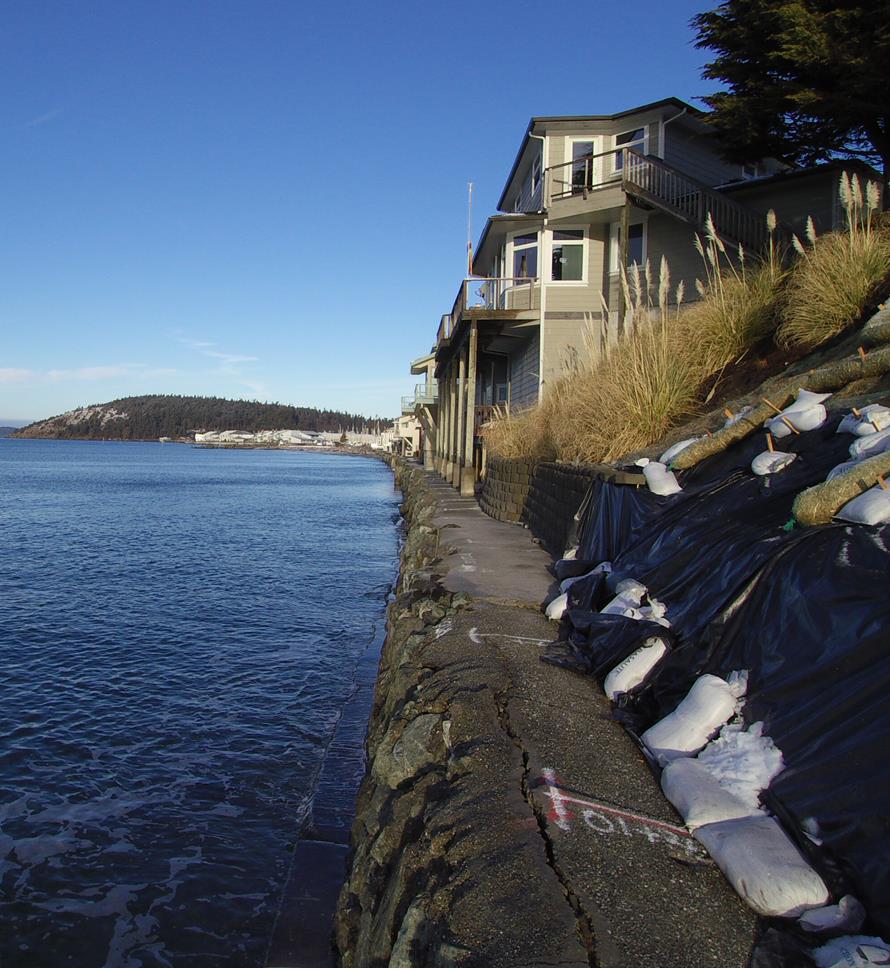
The important distinction is that chemical grouting would not replace a structurally inadequate seawall or stop coastal erosion by itself. Rather, it can be used to stabilize the soil system behind, beneath, and around a seawall or bluff—potentially addressing one of the mechanisms that turns seawall damage into loss of supporting soil and ultimately threatens the structure above.
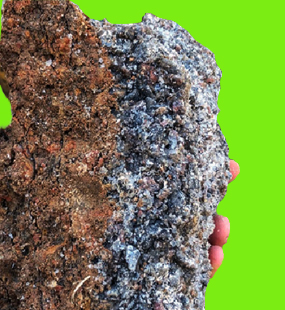
This application is known as permeation grouting of sandy soils: a low-viscosity grout is injected into the pore spaces of loose or eroding soil, where it reacts and cures, binding the soil particles together and reducing water migration.
A conceptual oceanfront application could look something like:
Ocean → seawall → injection zone → stabilized soil mass → foundation/home
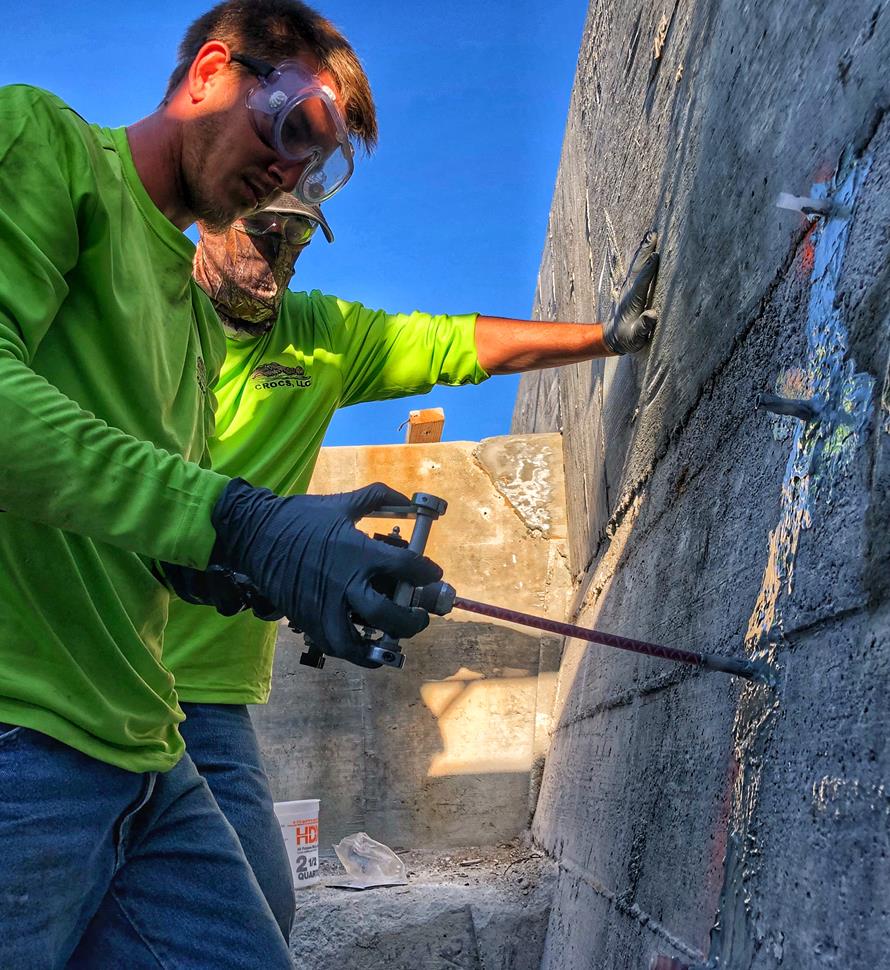
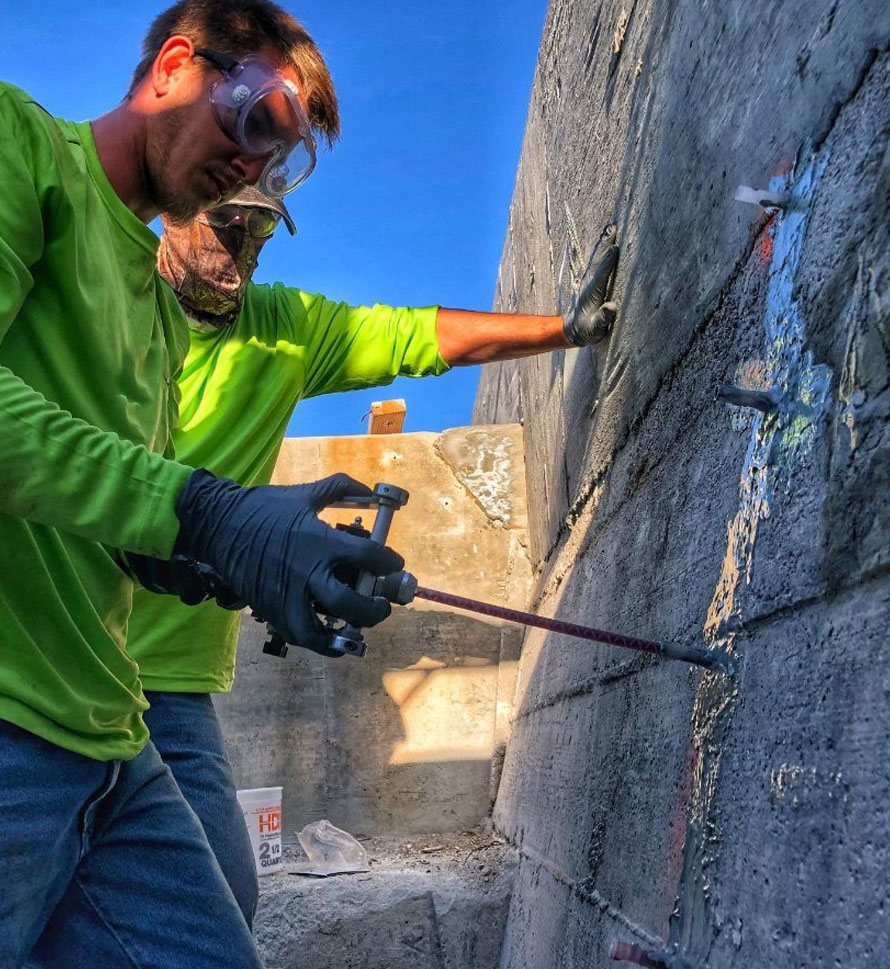
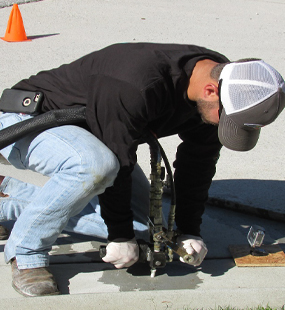
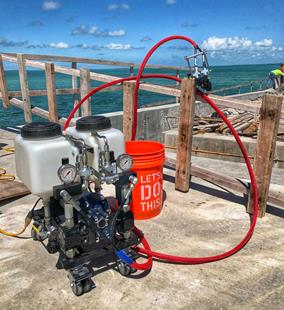
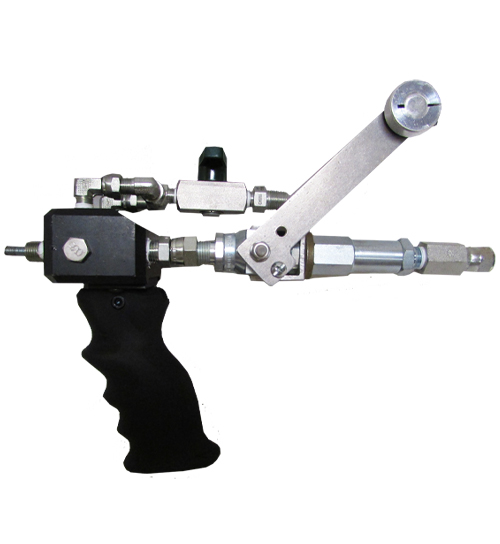
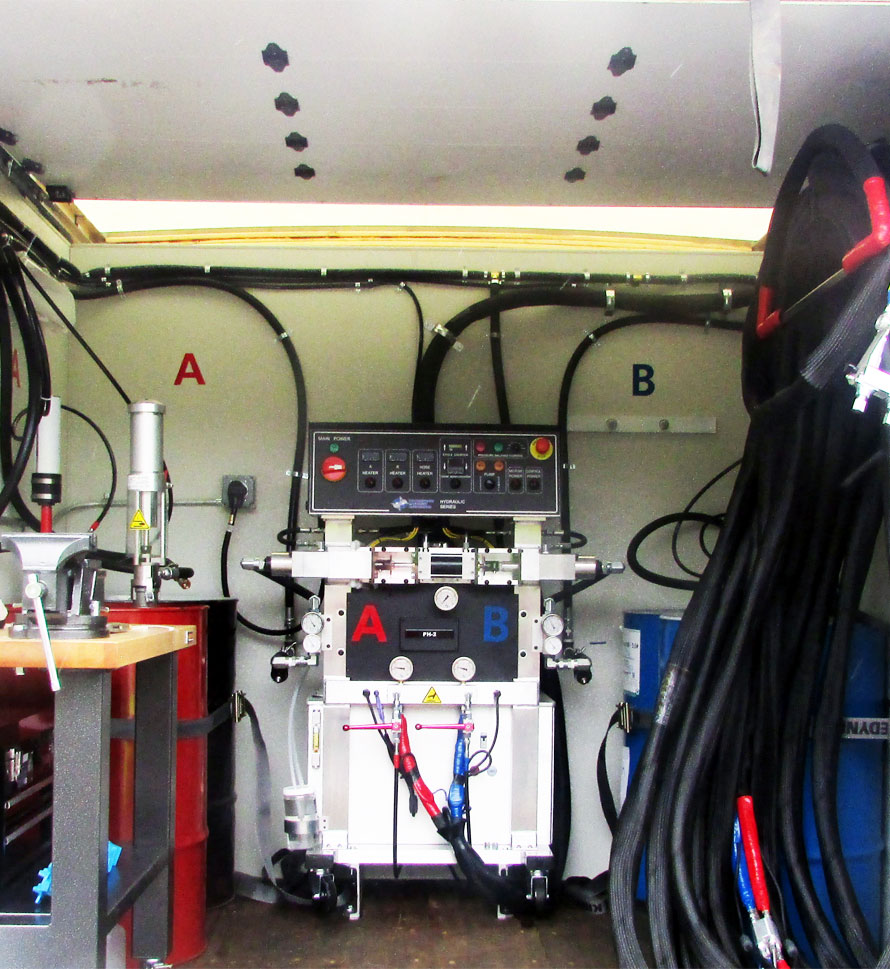
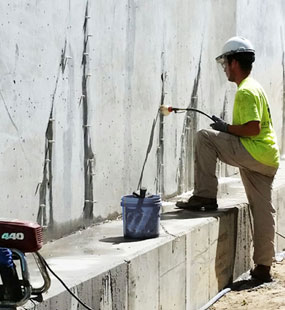
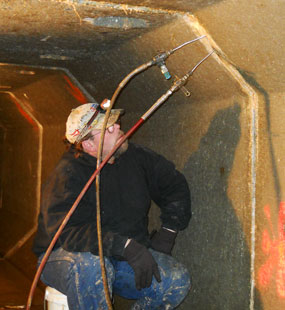
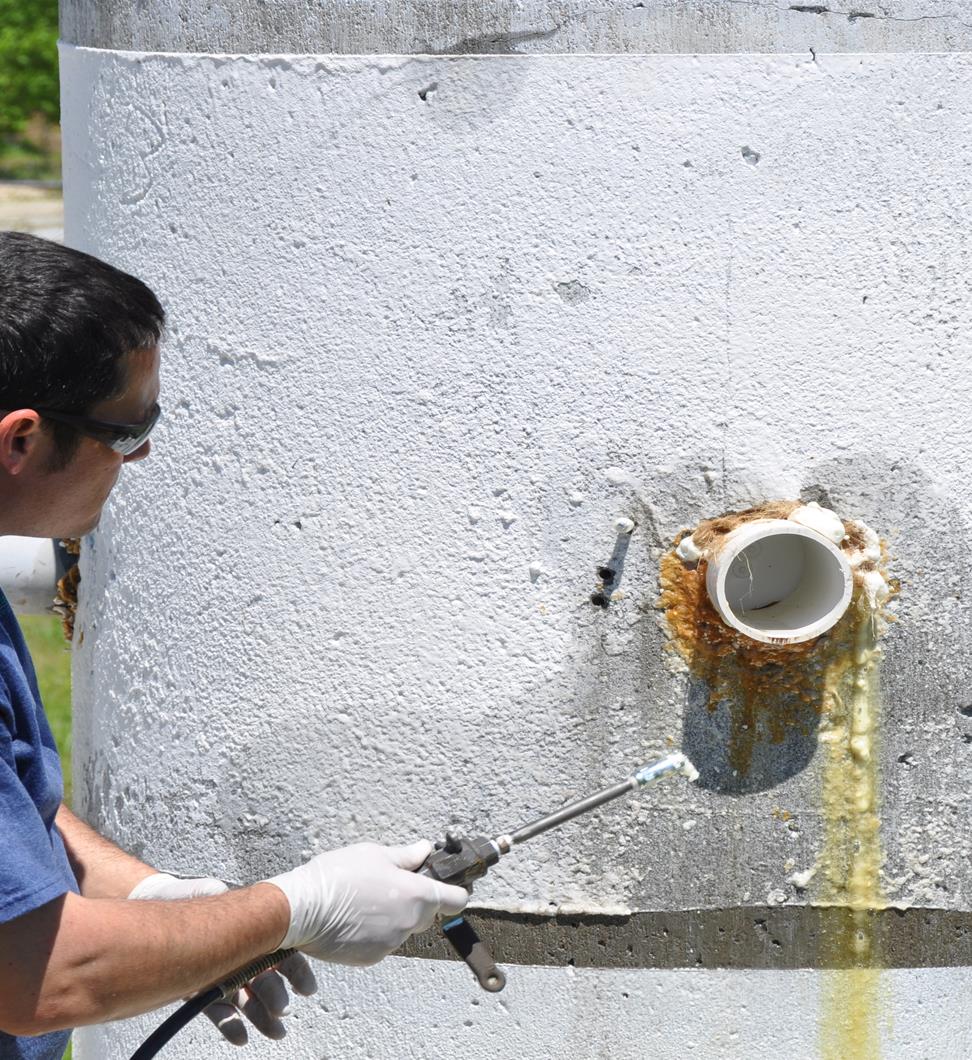
Instead of excavating the entire bluff or removing and rebuilding a seawall, strategically placed injection probes could potentially deliver grout into vulnerable zones behind or beneath the wall.
Prime Resins products particularly relevant to this application
SoiLok
This is a somewhat different approach. Rather than relying primarily on an expanding foam, SoiLok is designed to penetrate silts, sands, gravel and other soils and bind them into a cohesive mass. Prime specifically describes it as useful for preventing further erosion and weakening caused by water penetration.
Prime Flex 910
A very-low-viscosity, hydrophobic polyurethane specifically marketed for stabilizing loose sand and soil through permeation grouting. It reacts with moisture to form a hard, watertight mass and is also marketed for sealing leaking seawalls.
Prime Flex 920
Another low-viscosity hydrophobic polyurethane used for permeation grouting. Prime describes it as capable of penetrating loose soils, consolidating soil particles and increasing load-bearing capacity. It reacts with water to form a closed-cell, watertight rigid foam.
Prime Flex SWF (Seawall Foam)
This is especially interesting for the Laguna-type scenario. Prime describes SWF as a two-component polyurethane specifically designed to fill voids, stabilize soils and seal defects behind seawalls. Its slower reaction allows the material to penetrate the soil more thoroughly, which is potentially valuable where deeper penetration and controlled injection are important.
AR 800
An acrylate grout that produces an elastomeric gel and can be used for permeation grouting, particularly where extremely fine or "sugar" sand makes polyurethane penetration more difficult. Its adjustable set time allows the contractor to tailor the injection to the soil conditions.
What this could accomplish at an oceanfront property
A properly designed grouting program could potentially address several failure mechanisms simultaneously:
|
Problem |
Potential chemical-grout function |
|
Loose sand behind seawall |
Permeate and bind soil particles |
|
Soil loss through/under seawall |
Fill pathways and stabilize surrounding soil |
|
Voids developing behind seawall |
Fill voids and restore soil support |
|
Water migration through soil |
Reduce permeability |
|
Undermining beneath wall/footer |
Consolidate supporting soil |
|
Localized bluff erosion |
Create a stabilized soil zone |
|
Seawall defects/leaks |
Seal cracks, joints and defects |
|
Loss of bearing support near foundation |
Increase soil cohesion/load-bearing capacity |
Call 1-800-321-7212 today to discuss your best solution.